Construction Site Hoarding: Requirements & Security
Construction hoarding creates a physical boundary between building work and the surrounding area. It helps control access, screens activity and supports efforts to protect people, equipment and materials.
However, solid panels aren’t automatically the right answer for every project. The appropriate boundary depends on the hazards, location, public exposure and how the site operates.
Understanding these factors helps contractors choose protection that works throughout the construction programme. Whether work involves a busy commercial frontage or a quieter development plot, perimeter security should form part of planning from the outset.
What Is Construction Site Hoarding?
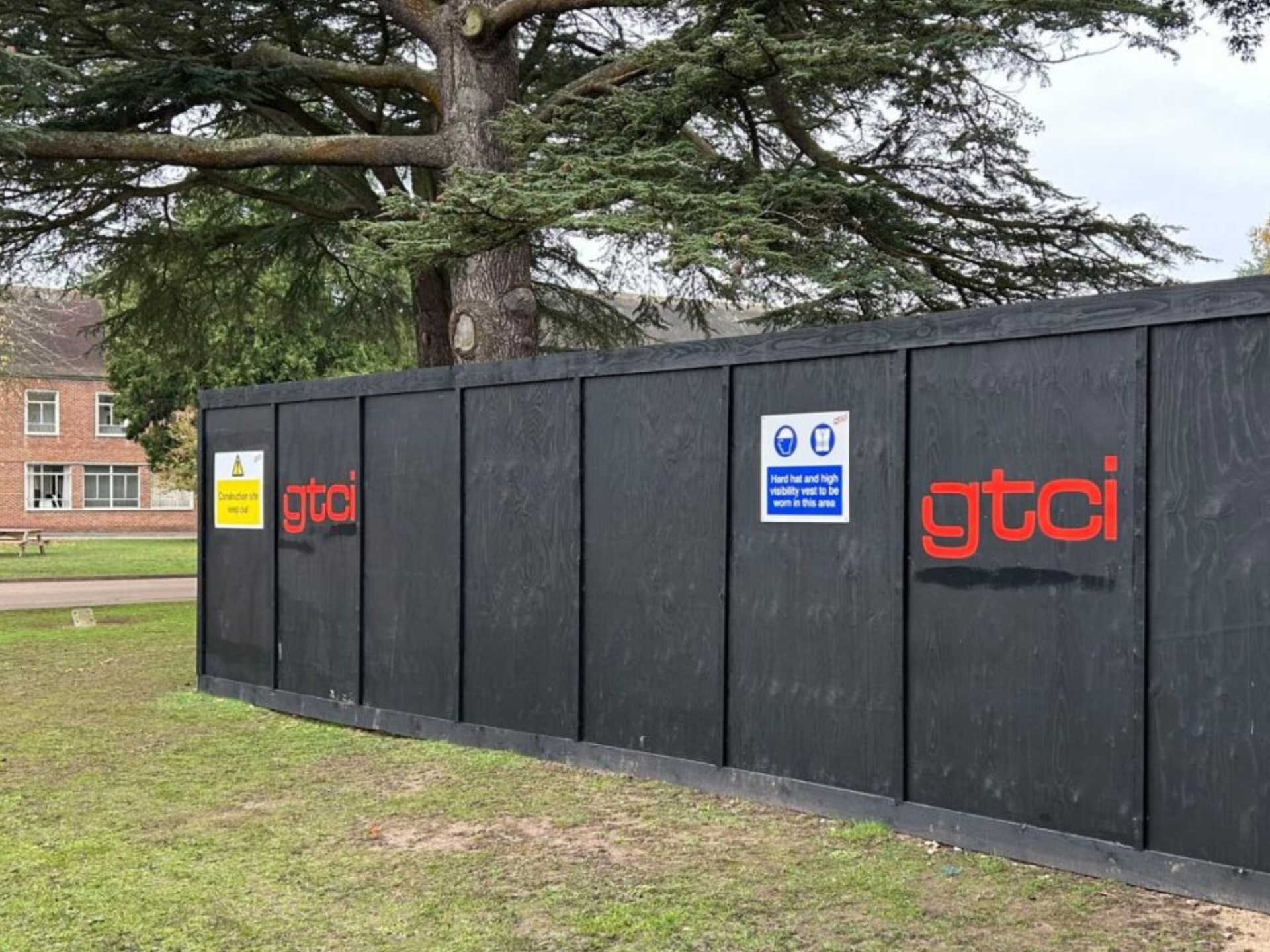
Hoarding is a solid barrier, commonly built using timber panels or proprietary metal systems, installed around a working area. It provides screening as well as a defined physical boundary. Unlike open mesh construction site fencing, solid panels restrict views into the site. This can be useful where building work sits beside shops, homes or heavily used pedestrian routes.
Hoarding can also accommodate project information and warning signs. However, its appearance is secondary to its suitability: panels, supports and gates must work together as a secure installation.
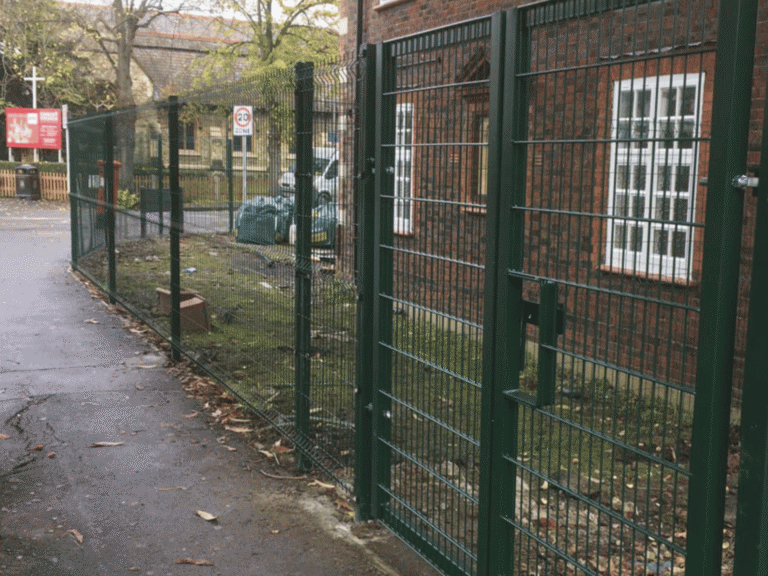
Temporary fencing, on the other hand, usually consists of separate panels connected to create a continuous barrier. Its open construction preserves visibility, while different systems offer varying levels of resistance to climbing, movement and damage.
Is Construction Site Hoarding a Legal Requirement?
There’s no blanket rule requiring solid hoarding around every construction project. Instead, construction site hoarding requirements follow from duties to manage risks and prevent unauthorised access.
In Great Britain, the Construction (Design and Management) Regulations 2015 address site security. Regulation 18 links perimeter identification and fencing measures to necessity, reasonable practicability and the level of risk.
Health and Safety Executive (HSE) guidance states that construction sites need defined boundaries, access management and measures to exclude unauthorised people. Where physical fencing is necessary, its type should reflect the site and surroundings. For populated areas, HSE describes a two-metre small-mesh fence or hoarding as a typical arrangement. This is guidance, rather than a universal specification guaranteeing compliance.
When researching site hoarding regulations, UK businesses should distinguish Great Britain’s framework from Northern Ireland’s separate legislation. For a Kent project, assess the applicable duties alongside any relevant planning, highway or client requirements.
A competent assessment should establish the appropriate controls before work starts and review them as conditions change.
Why Is Construction Site Security Important?
Public safety is central to perimeter planning. Excavations, moving vehicles and construction equipment can expose people to serious harm if they enter an active work area. Children require particular consideration. A site may look like somewhere to explore, especially outside of working hours. Warning signs alone shouldn’t be relied upon to prevent children reaching dangerous areas.
HSE highlights the importance of securing sites when work finishes, protecting excavations and preventing access to plant and hazardous substances. Boundary protection supports these measures but can’t replace them.
Security also protects the project itself. Theft of tools, fuel or materials can interrupt work, while vandalism can damage equipment and create additional hazards for returning workers. Suitable site security fencing helps deter intrusion and direct legitimate visitors towards controlled entrances. Depending on the assessed risks, lighting, alarms, secure storage or monitoring may complement the boundary.
Keep equipment and materials organised within the site, and consider whether their position could help someone climb over the enclosure.
Hoarding vs Temporary Fencing – Which Do You Need?
Solid perimeter hoarding is worth considering where screening matters, public footfall is high or works will remain beside occupied premises for an extended period. It can create a consistent frontage and conceal stored materials. However, screening also limits visibility, so gate positions and sightlines need careful consideration, particularly where vehicles cross pedestrian routes.
Open mesh fencing can suit projects where visibility is beneficial, and the boundary may need repositioning as work progresses. It can also help supervisors observe activity on both sides.
Neither option is automatically more secure in every situation. Panel strength, connections, support arrangements, gate management and opportunities to climb or bypass the boundary all influence performance.
Duration matters, but short projects still need effective protection. Compare installation, maintenance, alterations and removal costs alongside the risks, rather than making a decision based solely on the initial price. Some sites benefit from a combination, with solid screening along public frontages and suitable fencing elsewhere.
What Makes Effective Construction Hoarding?
Effective hoarding starts with stability. Its design should account for wind exposure, ground conditions, the proposed height and how panels will be supported. HSE identifies site fencing and hoarding as temporary works. These installations need appropriate planning and management, with competent design input where required.
Supports, foundations and ballast must suit the chosen system. Adding banners or sheeting to an existing fence can change wind loading, so alterations need assessment before installation.
Durability is equally important. Specify materials and fixings suitable for the expected service period, and address damaged panels, loose connections or deteriorating supports promptly.
Access points deserve the same attention as boundaries. Gates should close securely, accommodate planned deliveries and support safe movement, with pedestrian access considered separately where appropriate.
Inspect the perimeter regularly and after events that could affect it, including severe weather, impact or alteration. Assign responsibility for repairs and closing the site.
Choosing Hoarding Contractors in Kent
Selecting the right contractor involves more than comparing panel prices. Ask how the proposed installation will suit your specific site, who will address design requirements and what maintenance arrangements are included.
Share your site layout, programme, access requirements and known risks early, and plan the hoarding layout in advance so it secures the site while leaving sufficient room for excavation, deliveries and construction work. For construction hoarding, Kent developers can discuss their requirements with TM Contract Services Ltd. Based in Ashford and operating across Kent, our hoarding contractors provide dependable hoarding, fencing and groundworks services to suit a range of projects. Contact us today to discuss a security fencing solution and request a detailed quotation for your project.