Sustainable Drainage Systems (SuDS) for Developments
New buildings, roads and parking areas change how rainfall moves across a site. Water that previously soaked into soil can run quickly over hard surfaces, increasing pressure on drains and nearby watercourses. Sustainable Drainage Systems (SuDS) help manage this change by slowing, storing and treating rainwater close to where it falls.
For developers, surface water drainage deserves attention from the outset. Understanding drainage requirements before layouts are fixed helps avoid awkward design changes and supports a development that performs well after construction.
What Is a Sustainable Drainage System?
A sustainable drainage system manages rainfall in ways that more closely mimic natural drainage. Depending on the site, it allows water to soak into the ground, evaporate, support vegetation or leave through a controlled outlet.
SuDS drainage usually combines several features, each performing a different role. Water might pass through permeable paving, move along a planted channel and collect in a storage area.
This connected approach helps manage both everyday rainfall and heavier storms. It also creates opportunities to improve water quality and incorporate attractive planting, as explained in CIRIA’s SuDS guidance.
Why Are SuDS Important for New Developments?
- Managing flood risk and runoff – Replacing open ground with roofs and conventional paving reduces the area available for rainfall to infiltrate. Runoff is designed to reach drains faster, increasing peak flows during storms. SuDS slow this movement and provide space to hold water temporarily. Appropriate design helps reduce flooding risks within the development and avoids transferring additional risk downstream. Systems still need safe overflow routes for rainfall beyond their design capacity. Storage alone can’t remove every flood risk.
- Protecting water quality – Runoff can collect sediment, oils and other pollutants from roads and parking areas. Suitable SuDS features help capture or treat these pollutants before water reaches receiving waters. The treatment required depends on the source of runoff and the sensitivity of its destination.
- Reducing pressure on drainage systems – Holding water on site and releasing it gradually helps reduce peak demand on existing drainage networks. Where infiltration or reuse is suitable, less runoff needs to leave the site.
- Supporting biodiversity – Planted features can provide wildlife habitats and make shared spaces more attractive. These benefits depend on thoughtful design and maintenance; underground storage alone offers limited habitat value.
Together, these objectives underpin England’s national SuDS standards.
Examples of Sustainable Drainage
The right combination depends on ground conditions, available space, pollution risks and the proposed layout. Common options include the following.
Choosing SuDS for new developments should involve more than selecting a product. The design needs to explain where water enters, how it travels through the site and where it ultimately goes after rainfall. Each component should contribute to the performance of the complete system.
- Soakaways – Soakaways collect runoff underground and allow it to infiltrate surrounding soil. They require suitable ground conditions, supported by infiltration testing. Poorly draining soils, groundwater constraints or contamination can make infiltration unsuitable. Positioning should also protect nearby foundations, as outlined in CIRIA’s soakaway guidance.
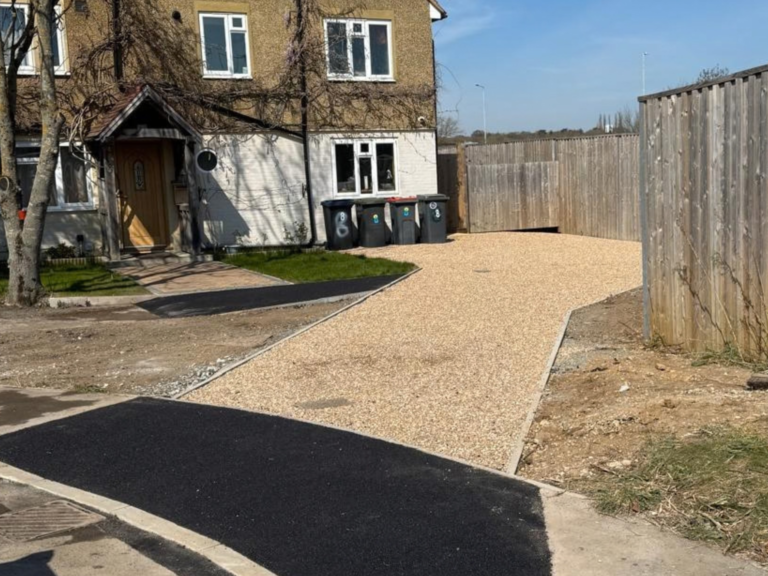
- Permeable surfaces – Permeable paving allows rainfall to pass through joints or openings into a storage layer below. Water is then able to infiltrate the ground or drain through a controlled system. These surfaces can serve parking areas and driveways, combining everyday use with runoff management. The underlying construction matters as much as the visible finish.
- Attenuation and storage – Attenuation means slowing the release of runoff. Basins, tanks and other storage features hold water during rainfall and discharge it at a controlled rate.
Storage capacity, outlet controls and maintenance access need careful planning. Attenuation can remain useful where water is unable to safely soak into the ground.
- Swales – Swales are shallow vegetated channels that carry water slowly across a site. They can provide storage, help remove sediment and allow infiltration where conditions permit.
- Rain gardens – Rain gardens are planted depressions that receive runoff from nearby surfaces. They temporarily hold water and often add visual interest while supporting wildlife. They need suitable planting and an appropriate drainage arrangement. Kent County Council identifies these features among the options available when planning sustainable drainage.
SuDS and Groundworks
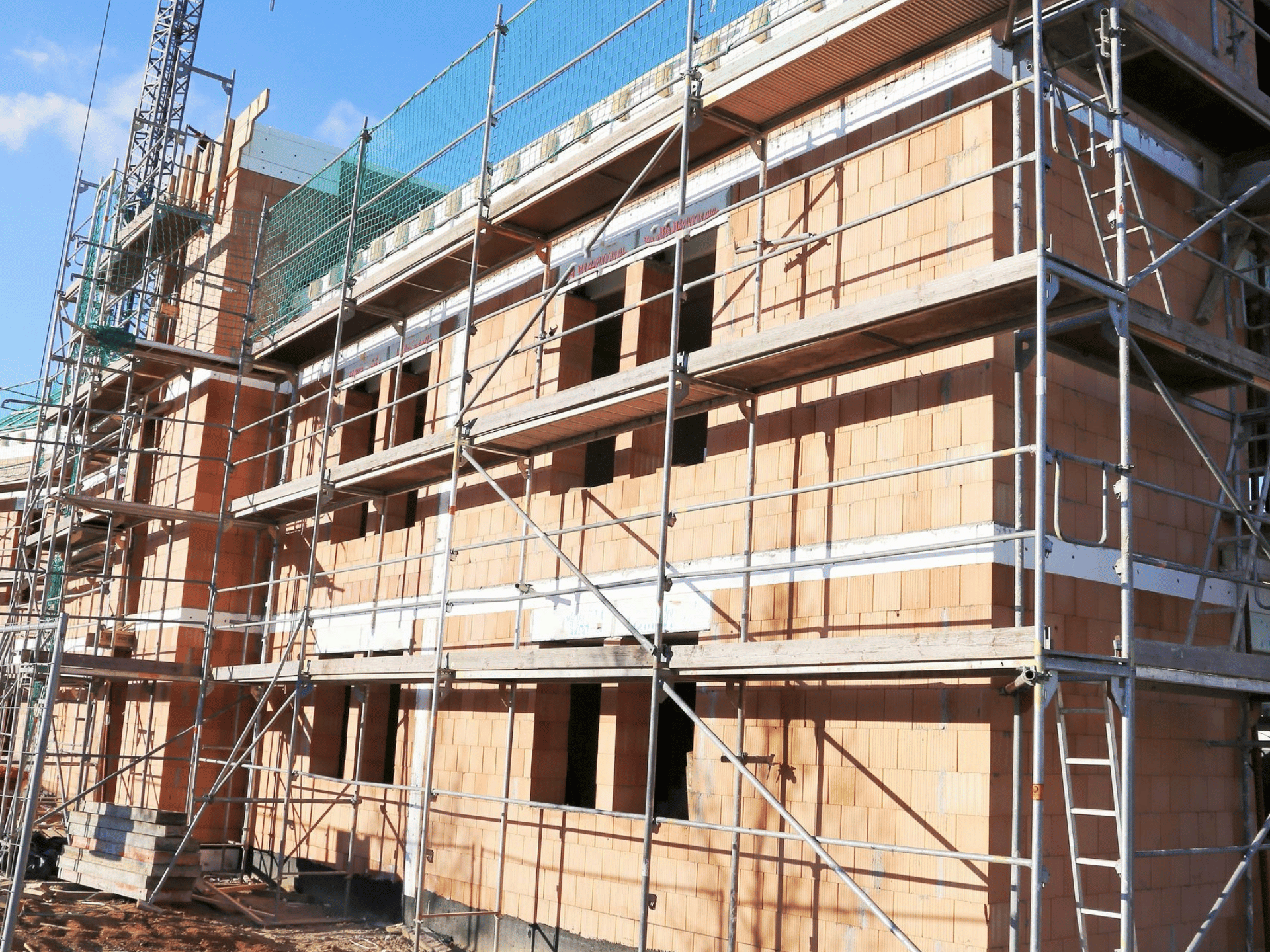
Effective drainage for new developments starts before excavation. Site levels, soil conditions, existing services and discharge options all influence what can be built and where.
Considering groundworks drainage early allows space for storage, suitable pipe routes and maintenance access. It also helps coordinate drainage with foundations, roads and landscaping.
For example, leaving drainage until roads and building positions are agreed may restrict the space available for surface features. Early discussions between the developer, drainage designer and groundworks contractor help identify practical constraints while changes are easier to make. This can reduce the likelihood of excavation being repeated or finished surfaces disturbed.
During construction, sediment and heavy machinery can damage drainage features or reduce infiltration. The construction sequence should protect completed systems and manage temporary runoff.
Longer term, someone needs to be responsible for inspections, clearing inlets and maintaining vegetation – these arrangements should be established before handover.
Do All New Developments Need SuDS?
Requirements for sustainable drainage systems in the UK differ between nations. For projects in Kent, England’s planning framework and relevant local policies are the starting point.
The National Planning Policy Framework (NPPF) expects proposals affecting drainage on or around a site to incorporate proportionate SuDS. This extends beyond major developments.
Policy F8 of the NPPF also addresses national design standards, maintenance throughout the development’s anticipated lifetime and flood authority advice for major proposals.
The appropriate solution depends on the proposal and site conditions. Unsuitable infiltration doesn’t automatically rule out other SuDS approaches.
Developers should check requirements with their planning authority and drainage adviser early, including any necessary permissions for discharge.
Discuss Your Drainage and Groundworks Project
At TM Contract Services Ltd, we provide drainage design and installation alongside groundworks services across Ashford, Kent and the South East. If you’re looking for drainage contractors in Kent, contact our team to discuss your site, proposed works and project requirements.
You can also explore our Drainage Installation services and Groundwork Contractors pages to learn more about how we can support your development.